
The Power of Ambience
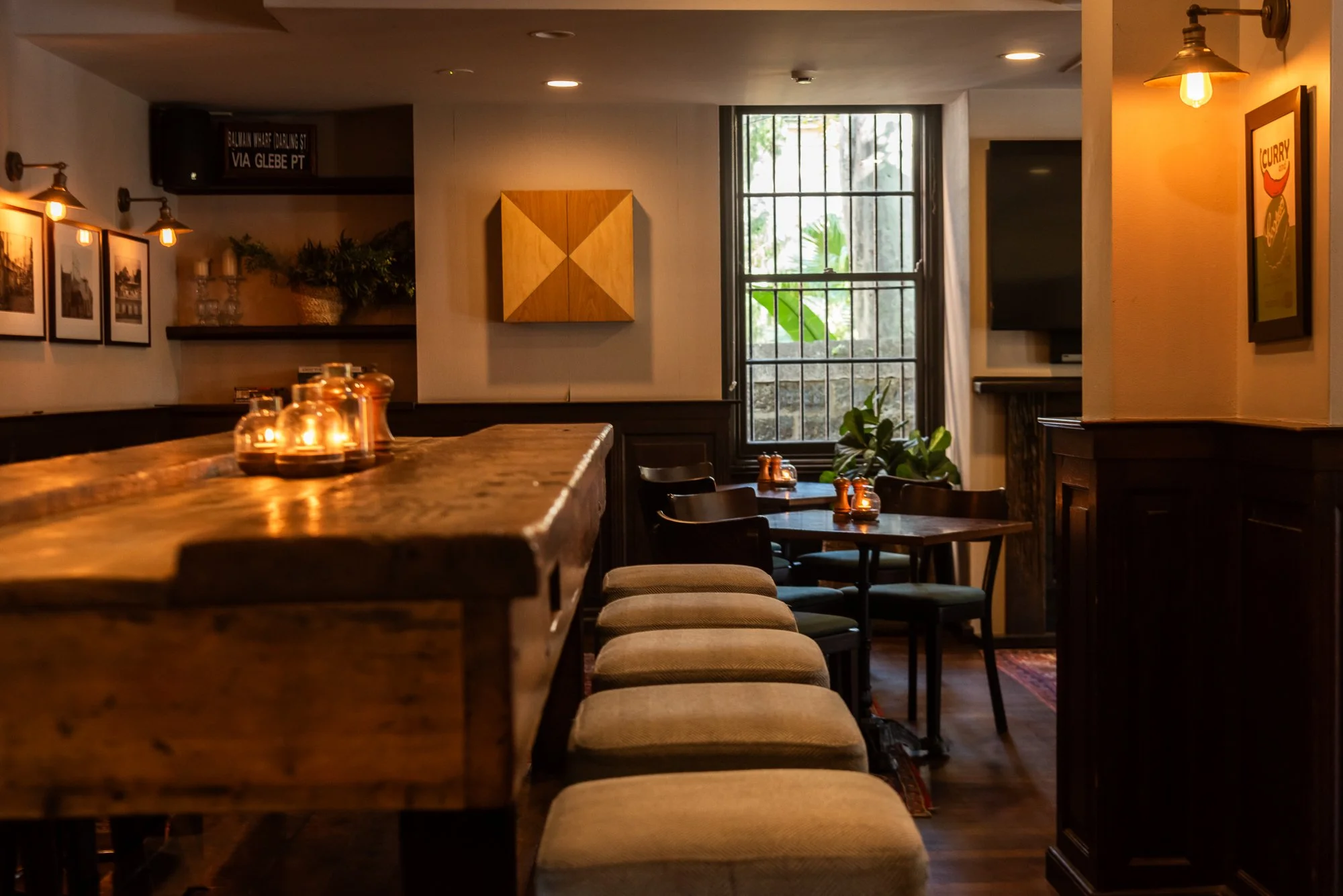
“I love this place. Amazing outside area, a stack of rugs at the entrance, beautiful ambience. The kitchen really is top notch, daily specials and a slick menu. Staff are some of the loveliest humans I’ve ever met, super friendly and really helpful. Love this place.”
I've always loved this Google review from my years at the East Village Hotel.
It’s wonderful because it perfectly describes something that's surprisingly difficult to define.
Ambience.
People use the word all the time.
"The ambience was amazing."
Years of running retail businesses, pubs and boutique accommodation have taught me that ambience isn't accidental. It's essential to how a place feels, and it's carefully created.
So, what actually is ambience?
It isn't just the lighting. Or the music. Or beautiful furniture. Or flowers.
Ambience is something much bigger than that. It's a feeling shaped by every one of our senses.
Long before I owned a pub, I managed retail businesses.
Every Christmas the stores became incredibly busy. Queues grew. Staff became stressed and often customers became impatient.
The energy in the store would change.
When I saw this, I started changing the playlist.
Instead of slower background music, I'd put on something with more pace.
Enough energy to lift the room.
The change was remarkable.
Staff moved differently. Customers seemed more engaged, happier.
Sales always increased.
The products hadn't changed. The offer hadn't changed. Only the music had.
It was one of the first times I saw how powerfully an environment could influence how people felt.
Years later, I carried that lesson into hospitality.
One of the conversations I often had with our team at the East Village Hotel was about ambience. Not just how a room looked.
How it felt.
Use your senses…
Our team understood it immediately.
If it was the middle of winter, were our guests warm?
If not, light the fire.
Turn on the heaters. Light the candles.
Warmth isn't just a temperature. It's a feeling.
If the restaurant felt flat, was the music playing?
Without music, people hear cutlery hitting plates. Conversations competing with one another. Coffee machines and kitchen doors. The noise of a busy service.
Music softens all of that.
It changes the rhythm of a room. It helps staff find their pace and guests relax.
Because it changes how a place feels.
Then there's what people see.
A roaring fire on a cold afternoon. Flickering candlelight. Soft lighting and flowers.
Or, in the middle of summer...
Open windows. Trees moving in the breeze. Natural light. Fresh air.
They all begin shaping how people feel before a single word has been spoken.
Then there is touch.
Is the menu clean? Does the crockery feel beautiful in your hands?
Is the chair comfortable enough that you can relax and not notice it?
Is the table clean? Is the beer cold?
And what about smell.
Perhaps the most powerful sense of all.
A single scent can transport us back years.
Fresh coffee. Beautiful cooking drifting from the kitchen. A wood fire in winter.
But smell can work the other way too.
At the East Village Hotel we were proudly dog friendly.
On rainy days that meant making sure the pub didn't smell like wet dog.
Did guests notice when it didn't? Probably not.
But they would certainly have noticed if it did.
We were equally conscious of rubbish bins, bathrooms and stale beer.
Good hospitality is often about removing the things people shouldn't experience.
Accommodation is no different.
Before guests arrive at Lotus, we run the air conditioning, so the rooms feel fresh from the moment our guests walk through the door.
We clean with natural products to avoid harsh chemical odours.
The shampoos, conditioners and body washes are organic and naturally scented with bergamot, rosemary and peppermint.
They're small decisions.
But together they become part of how a place feels.
Finally, there are the people. Perhaps the most important element of all.
A genuine smile. Eye contact. A warm welcome.
Someone remembering your name.
Someone handing you a cold beer after a long day.
No amount of beautiful design can compensate for feeling unwelcome.
People create ambience.
They make a place feel like home.
When I studied Psychology at university, it taught me to be curious about people.
To ask questions.
Why do people respond the way they do? Why do some experiences stay with us?
In my work, I am still asking those same questions.
Only now they are about places. How do we want people to feel?
Relaxed, comfortable, connected, celebrated, rested, always welcome.
I've found that once you answer that question, every other decision becomes easier.
The lighting. The music. The temperature. The furniture. The landscaping. The food. The service.
None of them exist in isolation.
They're all working together to shape how someone feels.
People rarely leave a restaurant talking about the lighting specification. Or the speakers. Or the crockery.
They simply say,
"I loved this place." Or, "The ambience was amazing."
What they're really saying amounts to something much simpler.
That place made me feel good.
That's the real power of ambience. Not that people notice it.
That they feel it.