
An Unlikely Publican
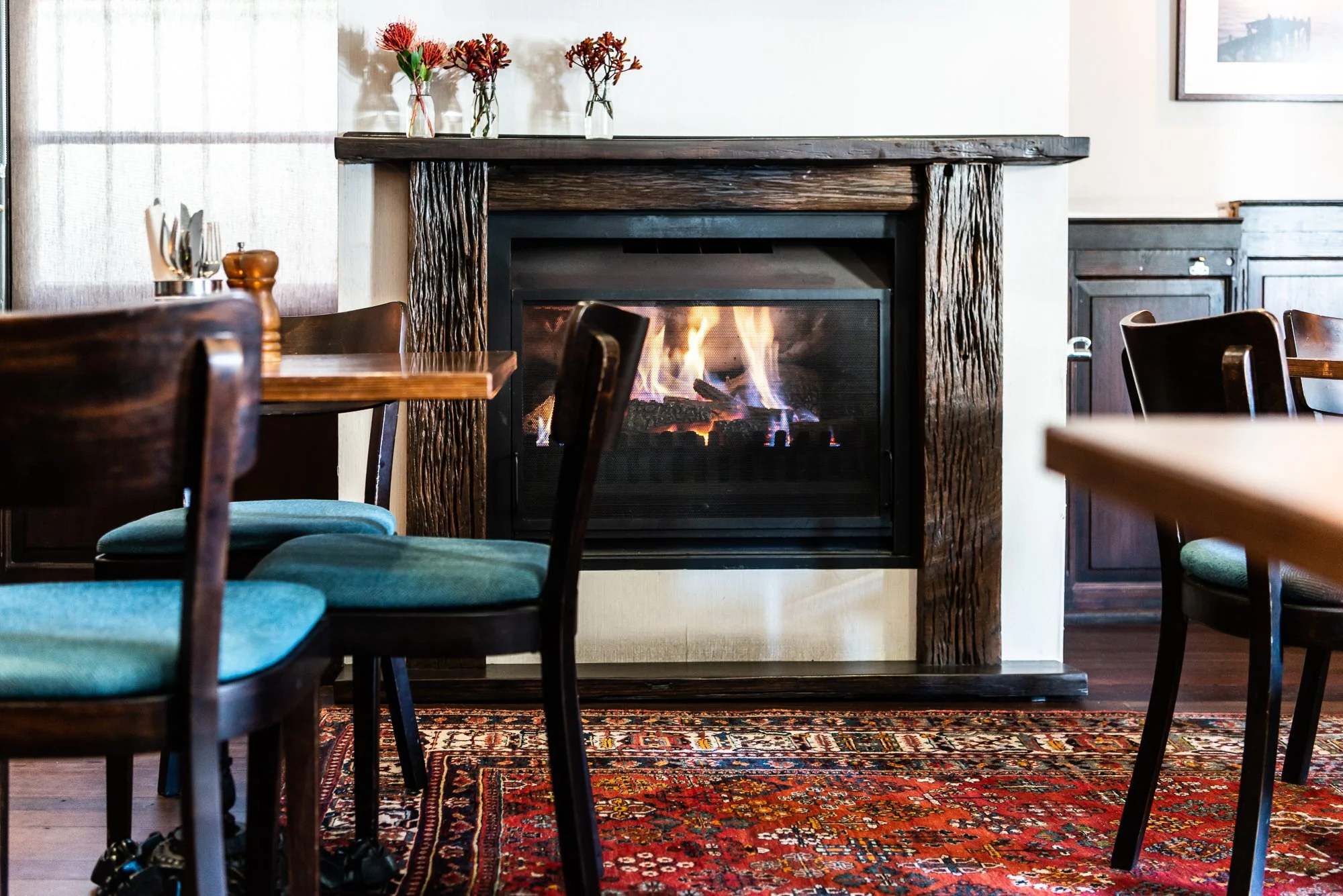
Some careers only make sense when you look back.
Mine is one of them.
People are often surprised to learn that I spent almost a decade owning and operating a neighbourhood hotel.
And to be honest, it surprises me sometimes.
At that time, owning a pub was not part of my plan.
Buying the pub wasn't even my idea.
I was raising a young family and deeply immersed in creating homes. I'd completed my interior design studies, finished renovating our family home, renovated and sold a holiday house, and was helping clients create homes of their own.
When my husband first suggested it, I wasn't convinced. I certainly couldn't have imagined that years later it would become one of the defining chapters of my professional life, shaping almost everything I now believe about creating places.
Looking back, I think the story probably began much earlier.
When I was in my early twenties and studying psychology at university in Queensland, I worked at Brisbane's Pineapple Hotel.
The Pineapple - or "The Piney", as everyone called it - was already a Brisbane institution. I loved that it was family owned and respected the way Mr Singleton and his family looked after it. I enjoyed the flow of a busy hotel, the rush of dinner service, the return of familiar regulars and the constant hum of the place.
I was reminded recently by one of my dearest friends that I told her all those years ago,
"I think owning just one pub would be pretty cool."
It wasn't a business plan.
Just something I said as a twenty-one-year-old.
Thirty years later, that same friend called and asked what I was doing.
"I'm at the pub," I said.
We both laughed.
Perhaps twenty-one-year-old me got her wish after all.
Just not for the reasons she imagined.
Over time, I realised that what drew me to the East Village Hotel had nothing to do with it being a pub.
It was that I loved places with history, character and untapped potential.
I loved the opportunity to understand what made them special, to care for them well, and to leave them stronger than I found them.
When we acquired the East Village Hotel, I thought we were buying a business.
Over time, what opened my heart to the place was the realisation that we had taken responsibility for something much bigger.
Some places matter not because they're architecturally significant or the most profitable, but because they become woven into the life of a community and ultimately, your own.
The East Village Hotel had already survived world wars, global economic depressions, harsh government restrictions, changing suburban identities and generations of owners.
During our stewardship, it would survive something else.
A global pandemic.
Like every hospitality business in Australia, we were navigating something none of us had experienced before. Every day brought decisions, many made with incomplete information.
But the gravity of that moment reinforced something I had been learning for years.
You don't really own a place like the East Village Hotel.
You're simply responsible for it for a time.
That changes the questions you ask.
Instead of asking,
"What do I want to do?"
you begin asking,
"What does this place need?"
"What does the community need?"
Over the years, working alongside talented staff, loyal suppliers and industry experts, we renovated, refined and repositioned the hotel. Together we developed the hotel over many years - investing in the interiors and gardens, building an industry recognised food and wine offering, and welcoming generations of locals, visitors and regulars.
Thousands of ordinary moments unfolded there.
Birthday dinners.
Friday afternoon drinks.
Wedding celebrations.
First dates.
Final farewells.
Quiet lunches.
No single one was remarkable.
Together they became the life of the place.
Running the hotel also taught me something I hadn't expected.
Resilience.
Businesses are tested constantly. Rising costs. Economic downturns. Changing customer expectations. Sometimes challenges arrive gradually. Sometimes they arrive all at once, as they did during the pandemic. If you aren't up for managing constant challenges, you shouldn't be in business.
You adapt.
You make difficult decisions.
You learn.
You keep going.
Owning a place with more than a century of history changes your perspective. You realise you're not the first custodian to face uncertainty, and you won't be the last. Every generation has faced its own challenges. Somehow the hotel endured.
I think some of that resilience rubs off on you.
You stop expecting an easy path and start trusting that, whatever comes next, you'll find a way through it.
Just as those before you did.
Eventually, we sold the hotel.
The building changed hands. The lessons didn't.
Today, whether I'm working on a home, a hospitality venue or a boutique accommodation property, I don't see a finished project.
I see a place with a life ahead of it.
A place that should become stronger over time.
It taught me that some places are bigger than the people who own them.
Over time, they have become woven into the lives of the communities they serve.
Our responsibility isn't simply to own those places.
It's to leave them stronger than we found them.